What Happens in Rehab? Understanding the Treatment Experience From Start to Finish
What happens in rehab is one of the most common questions individuals and families ask when considering addiction treatment. For many people, uncertainty about the experience can make the decision to seek help feel overwhelming.
Will every day involve therapy? Will there be opportunities to relax? Can guests communicate with their families? How much privacy will they have?
The answers depend on the treatment center, its philosophy, and the level of care it provides.
Some facilities operate as medical inpatient centers, while others offer residential addiction recovery in a more personal, non-hospital environment.
Understanding what to expect in rehab can help individuals and families make informed decisions and approach the recovery process with greater confidence.
What Is Rehab Like?
Rehab provides an opportunity to step away from the circumstances surrounding substance use and focus on recovery within a structured, supportive environment.
However, not every addiction treatment program operates the same way.
Some facilities emphasize medical stabilization and supervision. Others focus on therapeutic support, behavioral change, personal development, and establishing healthier routines.
Residential addiction treatment generally involves living at the facility for a designated period, allowing individuals to concentrate on recovery without the usual pressures of everyday life.
A typical residential recovery experience may include:
- Individual counseling and therapeutic activities
- Group discussions and peer support
- Addiction education
- Healthy daily routines
- Physical activity and recreation
- Personal reflection
- Recovery planning
- Time for rest and relaxation
The specific balance of these activities varies depending on the facility and the individual’s needs.
What Happens Before Someone Enters Rehab?
The recovery process often begins before someone arrives at the treatment center.
An appropriate admissions process helps determine whether the program can safely and effectively meet the individual’s needs.
Initial Consultation and Assessment
Treatment providers may ask about:
- Current alcohol or drug use
- Previous attempts at recovery
- Medical history
- Emotional and psychological concerns
- Family circumstances
- Personal recovery goals
- Previous treatment experiences
- Expectations for residential care
These conversations help determine the appropriate level of support and whether the program is a suitable fit.
Determining Whether Medical Detox Is Necessary
Not everyone entering rehab requires medical detoxification.
However, withdrawal from certain substances, particularly alcohol and benzodiazepines, can be medically dangerous.
When medical detox is necessary, it should take place under appropriate medical supervision.
This distinction is particularly important when considering non-medical residential programs, which are not equipped to provide hospital-level care.
At Serenity Vista, prospective guests undergo assessment before admission. Individuals who require medical detox must complete that process in an appropriate medical setting before entering the residential recovery program.
What Happens During the First Week of Rehab?
The first several days of residential treatment are often focused on adjustment.
Someone entering rehab may be leaving behind familiar routines, work responsibilities, family obligations, and an environment they have known for years.
Even when the decision to seek help is voluntary, that transition can feel unfamiliar.
Becoming Comfortable With the Environment
Guests may spend their first days:
- Meeting staff and other guests
- Learning about the program’s expectations
- Becoming familiar with the daily schedule
- Settling into accommodations
- Discussing personal goals
- Beginning therapeutic activities
A welcoming environment can help make this transition less overwhelming.
Establishing Individual Recovery Goals
The early stages of treatment also provide an opportunity to identify what the individual hopes to accomplish.
Some guests want to understand why previous attempts to stop using substances have been unsuccessful.
Others may want to address relationship difficulties, develop healthier coping strategies, or rebuild a sense of direction.
These goals can help shape the recovery experience.
What Does a Typical Day in Rehab Look Like?
One of the most common questions about what happens in rehab concerns the daily schedule.
Although schedules differ, residential programs often combine structured recovery activities with opportunities for healthy living and personal reflection.
Morning: Establishing Healthy Routines
A day may begin with breakfast, physical activity, mindfulness, or another activity intended to establish a positive routine.
Developing consistency can be valuable for individuals whose daily habits have been disrupted by substance use.
Midday: Therapy and Recovery Education
The middle of the day may include individual counseling, group discussions, educational sessions, or other recovery-focused activities.
These sessions provide opportunities to explore behavioral patterns, understand personal challenges, and develop healthier ways of responding to stress.
Afternoon: Personal Growth and Holistic Activities
Depending on the facility, afternoons may include outdoor recreation, exercise, wellness activities, additional therapeutic work, or time for reflection.
Holistic practices can complement evidence-based treatment by supporting physical and emotional well-being.
Evening: Reflection and Rest
Evenings may provide opportunities for relaxation, reading, journaling, social interaction, or preparing for the following day.
Adequate rest and healthier sleep routines can become important parts of developing a more balanced lifestyle.
This is an illustrative schedule rather than a universal timetable. Prospective guests should ask each facility what its actual daily programming includes.
What Happens During Individual Therapy in Rehab?
Individual therapy provides an opportunity to explore personal experiences, challenges, and recovery goals in a confidential setting.
Topics may include:
- Patterns associated with substance use
- Stress and emotional regulation
- Relationship difficulties
- Personal values and goals
- Previous recovery experiences
- Unhealthy coping strategies
- Preparing for future challenges
The objective is not simply to discuss substance use repeatedly.
Meaningful therapeutic work can help individuals better understand their experiences and develop practical strategies for making changes.
Is Group Therapy Part of Rehab?
Many residential treatment programs incorporate group activities or discussions.
These sessions may help guests recognize that they are not alone in their experiences.
Group participation can provide opportunities to:
- Share perspectives
- Learn from others
- Practice communication
- Explore common challenges
- Develop supportive connections
However, the size and structure of group activities can vary considerably.
For someone uncomfortable in large groups, a smaller residential setting may provide a more approachable environment.
Do People Have Free Time in Rehab?
Yes, many residential programs include opportunities for personal time, although the amount varies.
Recovery requires meaningful work, but it does not necessarily mean participating in structured activities every waking hour.
Free time may allow individuals to:
- Read
- Journal
- Rest
- Spend time outdoors
- Reflect on therapeutic discussions
- Participate in appropriate recreational activities
Learning how to spend time without relying on alcohol or drugs can itself be part of establishing healthier routines.
Can You Communicate With Family During Rehab?
Communication policies differ by treatment center.
Some programs restrict phone access during certain stages of treatment, while others allow scheduled communication with loved ones.
Before admission, ask:
- Are personal phones permitted?
- Can guests communicate with family?
- Are there designated communication times?
- Are visitors allowed?
- How are emergencies handled?
- What confidentiality practices are in place?
For professionals, parents, and individuals managing significant responsibilities, these policies can influence which program is appropriate.
How Long Does Residential Rehab Last?
There is no universal treatment duration that works for everyone.
Residential addiction treatment may last several weeks, a few months, or longer, depending on the program and individual circumstances.
Factors that can influence treatment length include:
- History and severity of substance use
- Previous treatment experiences
- Recovery goals
- Personal responsibilities
- Progress during treatment
- Available support after leaving
Some people may benefit from a shorter residential experience, while others may need additional time to establish healthier patterns.
Serenity Vista offers 30-, 45-, 60-, and 90-day residential programs, allowing prospective guests to discuss which duration may be appropriate for their circumstances.
Is Residential Rehab the Same as Medical Inpatient Treatment?
Not necessarily.
People sometimes use the terms inpatient rehab and residential rehab interchangeably, but actual programs may differ substantially.
Medical inpatient treatment can involve hospital-based services, medical monitoring, and treatment of acute health concerns.
Non-medical residential recovery programs focus on structured addiction recovery in a live-in environment without providing hospital-level medical care.
Understanding this distinction is essential when evaluating treatment options.
A person requiring medically supervised withdrawal or other intensive medical services should receive the appropriate level of care before entering a non-medical residential program.
What Happens in Rehab at a Small Private Facility?
Program size can influence the residential experience.
Larger treatment centers may provide extensive facilities and a wide range of services. Smaller programs can offer a more intimate setting and greater opportunities for individualized attention.
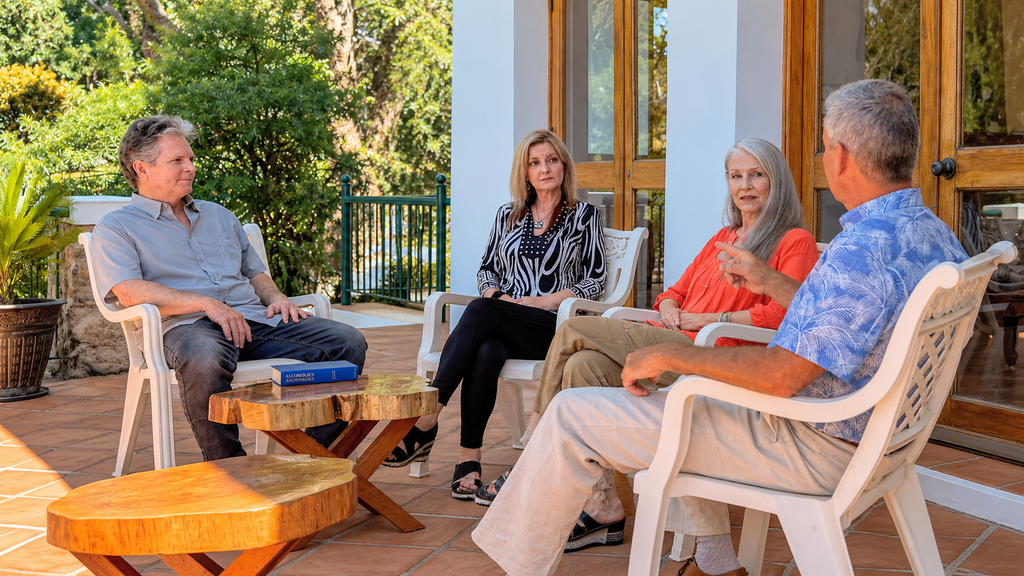
At Serenity Vista in Boquete, Panama, the residential program is limited to a maximum of four guests.
Its approach emphasizes:
- Individualized recovery planning
- Evidence-based therapeutic approaches
- Privacy and discretion
- Holistic practices
- Healthy living
- Outdoor experiences
- Personal growth
- Preparation for continued recovery
Serenity Vista is a non-medical residential addiction recovery program, not an inpatient hospital or onsite medical detox facility.
For medically stable adults who want to step away from everyday pressures, this type of environment may offer an alternative to larger institutional treatment settings.
What Happens After Rehab?
Completing residential treatment is an important milestone, but recovery continues after someone returns home.
Individuals may need to navigate familiar stressors, relationships, work obligations, and environments associated with previous substance use.
Preparation for that transition is an important part of the residential experience.
Recovery planning may involve:
- Continuing counseling or therapy
- Building supportive relationships
- Identifying potential triggers
- Establishing healthy routines
- Participating in recovery communities
- Setting personal boundaries
- Developing strategies for stressful situations
The goal is to carry useful recovery practices into everyday life.
How to Choose a Rehab Program That Fits Your Needs
Understanding what happens in rehab is only one part of choosing treatment.
Before committing to a facility, ask questions about its actual approach.
Consider:
- What level of care does the program provide?
- Is medical detox available or required beforehand?
- How is treatment individualized?
- What does a normal day involve?
- How much individual counseling is available?
- How many guests participate at one time?
- What privacy protections are provided?
- How is treatment length determined?
- What happens after residential treatment?
A reputable program should be willing to explain its approach clearly and help prospective guests understand whether it is appropriate for their circumstances.
Explore the Residential Recovery Experience at Serenity Vista
If you have been wondering what happens in rehab, speaking directly with a treatment provider can help replace uncertainty with a clearer understanding of the experience.
Serenity Vista offers private residential addiction recovery in Boquete, Panama, for adults seeking a more personal approach to recovery.
With a maximum of four guests, individualized support, therapeutic work, holistic activities, and a peaceful residential environment, the program offers an alternative to larger treatment facilities.
Many people who seek this kind of support are still high-functioning in their professional and personal lives, but find it increasingly difficult to stay stopped once they try to quit drinking or using drugs. A residential program can provide the opportunity to step away from everyday pressures and focus on building a foundation for lasting recovery.
Prospective guests are assessed individually, and anyone who requires medically supervised detox completes it in an appropriate medical setting before beginning the residential program.
Contact Serenity Vista for a confidential, no-obligation conversation about what its residential recovery program involves and whether it may be an appropriate fit for you or someone you care about.